
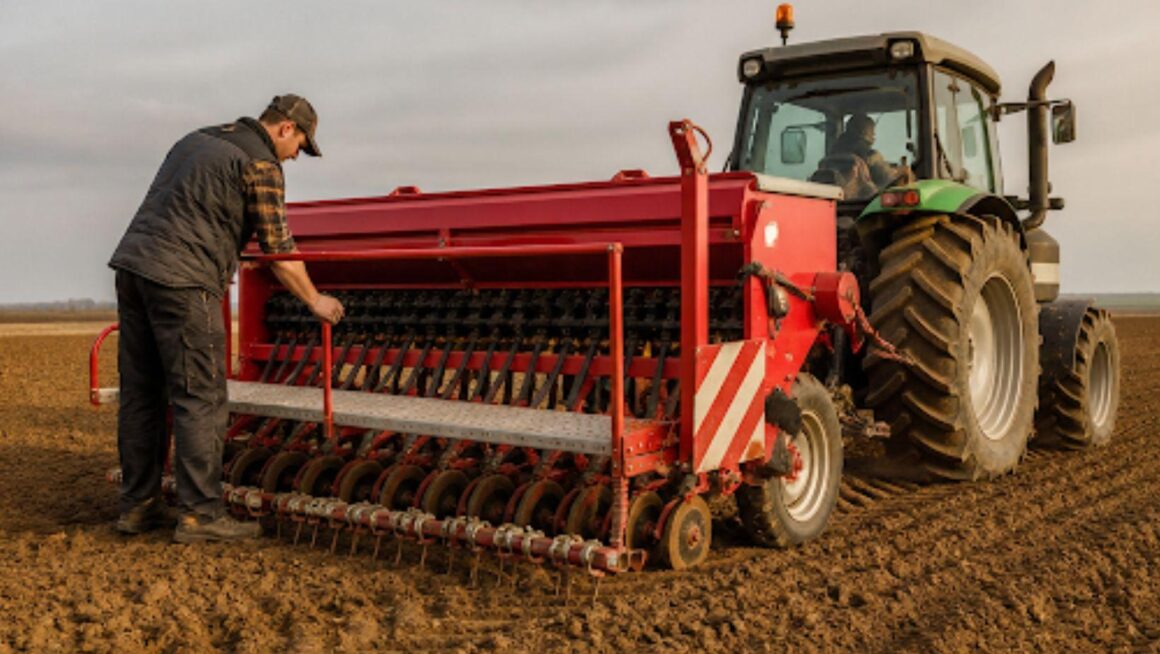
Agricultural operations today face mounting pressure to optimize efficiency while managing capital expenditures carefully. As farming becomes increasingly sophisticated, the equipment that drives planting operations represents a significant investment. Seed drills, essential for precision planting and crop establishment, have evolved considerably in recent decades, incorporating advanced metering systems, GPS integration, and variable rate technology. For many operations, particularly those expanding acreage or upgrading from older equipment, the secondary market offers compelling opportunities to access quality machinery without the premium associated with new purchases.
Understanding Modern Seed Drill Technology
Contemporary seed drills have transformed from simple mechanical devices into sophisticated planting systems. Modern units feature pneumatic delivery systems that ensure consistent seed placement, adjustable row spacing to accommodate different crop requirements, and electronic monitoring that alerts operators to blockages or distribution issues in real time. These technological advances have substantially improved establishment rates and ultimately yield potential across various crops including wheat, barley, canola, and cover crop mixes.
The integration of precision agriculture capabilities has further elevated seed drill functionality. Many units now interface with farm management software, allowing operators to create variable rate seeding prescriptions based on soil types, historical yield data, and topography. This level of control enables farmers to optimize seed populations across heterogeneous fields, potentially improving both agronomic and economic outcomes.
Economic Considerations in Equipment Acquisition
Capital allocation remains a critical concern for agricultural enterprises of all sizes. New seed drilling equipment can represent an investment ranging from tens of thousands to well over one hundred thousand dollars, depending on size, features, and brand. This significant capital outlay must be weighed against operational needs, financing costs, and projected return on investment. When evaluating equipment options, growers seeking precision and reliability may find that a used seed drill for sale offers an optimal balance between capability and cost-effectiveness, particularly when sourced from reputable dealers who provide thorough inspections and equipment histories.
Depreciation patterns in agricultural machinery favor buyers in the secondary market. Equipment typically experiences its steepest value decline in the first few years of ownership, meaning a three-to-five-year-old unit may have retained most of its functional capability while shedding a substantial portion of its original price. For operations with solid maintenance programs, well-kept used equipment can deliver decades of reliable service.
Evaluating Condition and Service History
When considering previously owned planting equipment, thorough evaluation is essential. Key inspection points include the condition of metering mechanisms, wear on ground-engaging components such as opener discs and press wheels, hydraulic system integrity, and electronic component functionality. Documentation of maintenance history, including regular servicing and component replacements, provides valuable insight into how the equipment has been cared for throughout its operational life.
The advancement of digital agriculture has created new assessment dimensions. Equipment with retrofit capability for precision agriculture systems may offer significant value, allowing operations to incrementally adopt technology as budgets permit. Understanding compatibility with existing farm management platforms and guidance systems helps ensure seamless integration into current workflows.
Smart Agriculture and Connected Equipment
The agricultural sector is experiencing a technological transformation driven by connectivity and data analytics. Industrial Internet of Things applications have extended into farming operations, with connected sensors, telemetry systems, and machine-to-machine communication creating unprecedented visibility into equipment performance and field conditions. This connectivity enables predictive maintenance, operational optimization, and data-driven decision making that can significantly impact productivity.
For planting equipment specifically, IoT integration facilitates real-time monitoring of critical parameters including seed population, depth control, and ground speed. This information flows to operator displays and cloud-based platforms, creating detailed planting records that inform subsequent crop management decisions. The ability to document and verify planting operations has become increasingly important for agronomic management, compliance documentation, and participation in sustainability programs.
Market Dynamics and Agricultural Investment
Broader agricultural market conditions influence equipment investment decisions. Commodity prices, input costs, land values, and access to credit all factor into capital allocation strategies. Understanding market trends helps operations time equipment purchases strategically, potentially capturing value during periods when equipment inventories are elevated or when manufacturer incentives make certain acquisition strategies particularly attractive.
The growing emphasis on local food systems and direct marketing channels has created diverse opportunities for agricultural enterprises. Expanding farmers market networks and consumer interest in food provenance have opened pathways for producers to capture additional value. While these markets typically focus on specialty crops and vegetables, the foundational equipment investments that support efficient crop establishment remain relevant across production systems.
Matching Equipment to Operational Scale
Appropriate equipment sizing is fundamental to operational efficiency. Undersized equipment creates bottlenecks during critical planting windows, potentially delaying establishment and impacting yield potential. Oversized equipment, conversely, represents excess capital deployment and may create operational challenges in smaller fields or when precise maneuvering is required. Calculating optimal capacity involves analyzing typical planting windows, acreage to be covered, soil and weather patterns, and labor availability.
For diversified operations planting multiple crop types, equipment versatility becomes important. Seed drills with adjustable configurations can accommodate different seed sizes and row spacings, maximizing utilization across planting seasons. This flexibility can improve the economic proposition of equipment ownership by spreading investment costs across multiple enterprises.
HR Agripower: Supporting Agricultural Equipment Needs
Specialized agricultural equipment dealers play a vital role in connecting operations with appropriate machinery solutions. HR Agripower has established itself as a resource for farming enterprises seeking reliable used equipment across categories including planting and seeding systems. Their inventory encompasses various makes and models, providing options for operations with different requirements and preferences. The company’s focus on agricultural machinery means their team understands the specific demands of farming applications and can provide relevant guidance during the selection process.
Beyond equipment sales, comprehensive dealer support includes parts availability, service capability, and technical expertise. These factors contribute significantly to long-term ownership satisfaction and equipment reliability. Establishing relationships with knowledgeable dealers creates ongoing value through the equipment lifecycle, from initial acquisition through years of operational service.
Strategic Planning for Equipment Investment
Successful agricultural operations approach equipment acquisition as a component of broader strategic planning. This involves analyzing current operational bottlenecks, projecting growth trajectories, and assessing how equipment investments align with agronomic goals and financial capabilities. Equipment decisions made within this framework tend to deliver better returns than reactive purchases driven by immediate needs or equipment failures.
As agriculture continues evolving with technology integration, regulatory changes, and shifting market dynamics, the equipment that supports field operations must adapt accordingly. Maintaining flexibility in equipment portfolios while building reliable core capabilities represents a balanced approach that serves operations well through varying conditions and opportunities. Quality used equipment, properly selected and maintained, remains a cornerstone strategy for building productive and financially sustainable agricultural enterprises.