
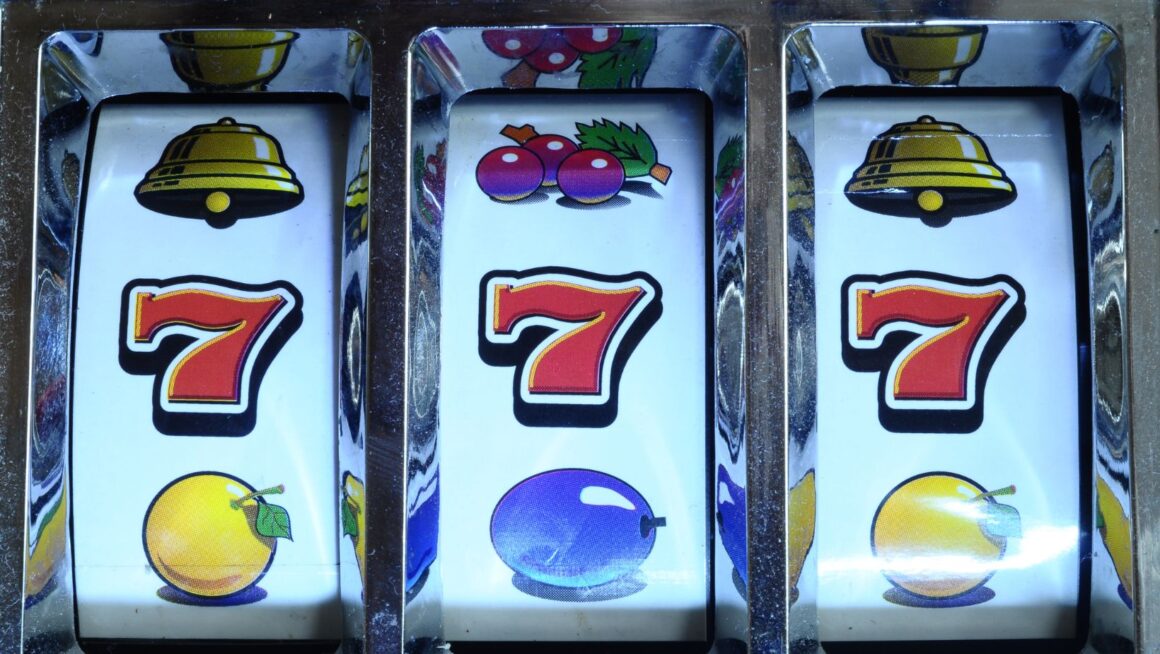
Slot machines have exploded far beyond the mechanical reels of decades past, and today’s symbol stacking mechanics represent one of the most significant shifts in how players engage with casino games. These features don’t just add visual flair—they fundamentally change the mathematics of winning combinations and your odds of landing jackpots. If you’re serious about understanding modern slots, grasping how symbol stacking works isn’t optional anymore; it’s essential to making informed betting decisions and recognising genuine value when you sit down at a machine.
How Symbol Stacking Actually Works
Symbol stacking is a deceptively simple concept with profound implications for gameplay. When a reel features stacked symbols, multiple identical symbols occupy the same reel position vertically, dramatically increasing the density of winning combinations available on any single spin. Quick Slot Casino and other operators report that stacking features now appear in roughly 65% of newly released titles, reflecting how central this mechanic has become to modern slot design. Rather than relying solely on individual symbols appearing once per reel, stacking allows a single reel position to deliver three, four, or even five matching symbols simultaneously.
This multiplier effect cascades across your reels. Instead of needing symbols to align perfectly across a horizontal payline, stacking essentially fills more vertical space, creating numerous winning pathways in a single spin.
The Mathematical Advantage Behind Symbol Density
The relationship between symbol density and winning probability follows predictable mathematical patterns. Studies from 2025 show that games featuring heavy symbol stacking increase winning combination frequency by 18-34% compared to standard reel configurations.
Consider these practical implications:
- A three-symbol stack covering 60% of a reel increases that reel’s winning contribution by approximately 2.1x
- Five-symbol stacks create overlapping win opportunities on adjacent paylines simultaneously
- Distributed stacking patterns across multiple reels compound exponential growth in payout potential
- Games using 50+ paylines with stacking features generate average hit frequencies above 42% per spin
- Volatility ratings climb proportionally, meaning larger gaps between wins but significantly higher payouts when they occur
The mathematics isn’t hidden—operators publish these figures in regulatory filings and RTP (Return to Player) documentation.
Progressive Jackpots and Stacking Mechanics
Symbol stacking doesn’t exist in isolation from progressive jackpot systems. In fact, many modern machines integrate stacking directly into jackpot triggering mechanisms, creating dynamic interactions that affect your winning chances.
| Feature Type | RTP Range | Average Hit Frequency | Jackpot Frequency | Volatility Level |
| Basic Stacking | 94-96% | 38-40% | Every 500-800 spins | Medium |
| Enhanced Stacking | 96-97% | 42-45% | Every 300-450 spins | High |
| Premium Stacking | 97-98% | 45-48% | Every 150-250 spins | Very High |
| Mega Stacking | 95-97% | 50-52% | Every 100-180 spins | Extreme |
Machines using what developers call “mega stacking”—where 70% or more of a reel comprises identical symbols—shift entire winning architectures. Players pursuing progressive jackpots should examine whether the machine allocates stacking bonuses toward the progressive pool or standard payouts.
Strategic Betting Around Stacking Features
Understanding symbol stacking transforms how you should approach bet sizing and machine selection. High-volatility stacking games demand larger bankrolls because you’ll experience longer dry spells punctuated by substantial wins. Conversely, standard stacking with lower volatility ratings suits players preferring consistent smaller wins.

Examine the paytable carefully before playing. Operators must disclose stacking depth, frequency, and how stacking interacts with bonus features. A machine showing stacking on premium symbols only plays entirely differently than one distributing stacking across the full symbol set. Your expected returns shift substantially based on these details.
Why This Matters Right Now
The 2025-2026 slot market has elevated symbol stacking from novelty to standard. Regulatory bodies across Europe and North America now require detailed mathematical documentation showing how stacking affects win probabilities and house edge. This transparency actually benefits players who take time learning these systems. You’re no longer working from intuition—real data exists explaining precisely how symbol behaviour influences your chances.
Symbol stacking represents legitimate game design innovation, not a gimmick designed to confuse players. When you understand the mechanics, recognise how stacking multiplies your winning pathways, and choose machines matching your volatility tolerance, you’re making genuinely informed decisions. That knowledge separates casual button-pushers from players who respect the mathematics underlying modern slots.