
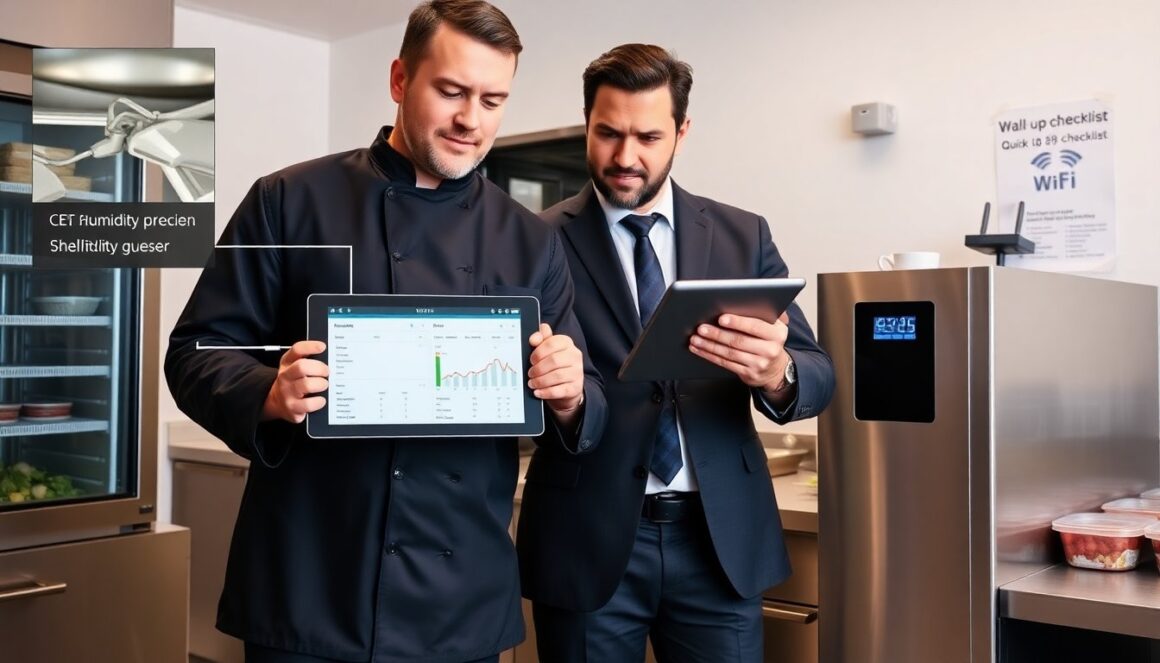
Emergingtechs edge ai tattoo review buy game starts with a clear claim: the system links kitchen devices to schedules and sensors. The review lists who benefits, what hardware runs the system, and how it performs. It shows security steps and pricing. It gives direct buying guidance. The review avoids fluff and focuses on facts about setup, features, and updates.
Key Takeaways
- EmergingTechs internet of things sushi system connects kitchen devices to automate temperature control and shelf-life tracking for sushi preservation.
- The setup requires a smart cooler, humidity sensor, touchscreen, and stable 2.4 GHz Wi-Fi, with clear placement and calibration steps to ensure accuracy.
- Core features include automated monitoring, push alerts, secured user roles, and detailed audit logs that support food safety and operational efficiency.
- Security is robust with TLS encryption, two-factor authentication, signed firmware updates, and recommendations for password hygiene and network isolation.
- Pricing offers tiered options from basic to enterprise, with a cloud fee for extended data retention, recommended for operators prioritizing automation and waste reduction.
- Potential buyers should verify HACCP certification, request live demos, check network reliability, and confirm return policies to make informed decisions.
What EmergingTechs IoT Sushi Is And Who Should Consider It
EmergingTechs internet of things sushi review defines the product as a connected sushi-preservation and serving system. It pairs a smart cooler, a humidity sensor, and a tablet app. The system automates temperature control, tracks shelf life, and logs serving times. Small restaurants and catering services benefit from the system. Home sushi enthusiasts with high volume use it too. Operators with basic Wi-Fi and a willingness to adopt an app should consider the system. Operators who require full commercial HACCP integration should verify certification before purchase. The review highlights the system’s clear use cases and limits.
Setup, Hardware, And Network Requirements
EmergingTechs internet of things sushi review lists required parts: smart cooler, humidity probe, touchscreen controller, power adapter, and mounting kit. It states minimum network: 2.4 GHz Wi-Fi, WPA2 or WPA3, and a stable router. It notes optional Ethernet for fixed stations. It details power needs: standard 120V outlet and a 1.5A draw for the cooler. It describes the app: iOS and Android support and a browser dashboard. It warns that weak Wi-Fi causes sync delays and that the sensor needs placement near the fish, not the cooler fan. The review gives actionable setup tips.
Quick Setup Checklist
Unbox all components and verify parts. Mount the humidity probe near the top shelf. Plug the cooler into a dedicated outlet. Power the touchscreen and connect to 2.4 GHz Wi-Fi. Install the app and create an admin account. Calibrate temperature using an independent thermometer. Enable firmware auto-update in the settings. Set alerts for high temperature and nearing shelf expiry. Test one run with dummy data before storing real product. This checklist helps avoid common errors.
Core Features, Performance, And Reliability
EmergingTechs internet of things sushi review highlights core features: automated temperature control, humidity monitoring, shelf-life tracking, push alerts, and audit logs. The system reports temperature every minute and stores data for 90 days. It supports multiple user roles and PIN-secured actions. The cooler maintains ±0.8°C under normal load. The touchscreen responds within one second for local commands. The app syncs within 15 seconds on stable Wi-Fi. The review notes that firmware affects reliability and that regular updates improve stability. It also notes spare-part availability for common wear items.
Security, Privacy, And Firmware Updates
EmergingTechs internet of things sushi review explains security measures. The system uses TLS for data in transit and stores logs with AES-256 encryption. It supports two-factor authentication for admin accounts. The product sends signed firmware and allows staged rollouts. The vendor issues security patches monthly and critical fixes within 48 hours. The review advises operators to change default passwords and to isolate the cooler on a guest VLAN. It recommends regular log reviews and exporting audit data weekly. These steps reduce risk and preserve customer data privacy.
Pricing, Alternatives, And Final Buying Guidance
EmergingTechs internet of things sushi review lists pricing tiers: basic kit at a moderate entry price, a pro kit with added sensors, and an enterprise subscription for fleet management. The vendor charges an optional annual cloud fee for extended data retention. The review compares alternatives: traditional refrigerated units with manual logging and third-party IoT platforms. It notes that those alternatives cost less up front but require more staff time. The review recommends the system for operators who value automated logs and reduced waste. It advises buyers to request a live demo, verify network health, and ask about return terms before they commit to purchase.