

The traditional markets of the Alps lie at the heart of the most picturesque mountain range in Europe. They are more than just shopping opportunities, but social gatherings for farmers, craftsmen and travelers to come together and exchange stories, flavors and hospitality. When roaming through the stalls of vibrant colors set against a backdrop of evergreens and church bells ringing in the distance, travelers quickly learn that life in the Alps is about so much more than the scenery.
Where the Alpine Pulse Can Be Found.
For centuries alpine markets have been the pulse of village life. Before the days of transport and chain supermarkets, the alpine markets bridged the gap from the high valley to the local producer. Farmers trekked down mountains with cheese, honey, and cured meats; craftsmen and women presented wooden carvings, wool and pottery; everyone mingled to find out the latest news and share a good laugh. Even today, these markets carry the same vibe bridging traditions with the pulse of modern society.
There’s nothing like a visit to one for a true local experience. Geneva to Val Thorens transport options make it simple for travelers to reach these authentic mountain markets, where Alpine flavors and traditions come alive. Shuttle service Geneva to Avoriaz offers a similarly convenient and scenic route for travelers heading to one of the region’s most charming high-altitude villages. Stalls brimming with products based on the season’s berries in the summer, pumpkins in the fall, chestnuts on the early winter days. The smells of fresh baked bread or melting cheese permeate the air. Each product comes with a story behind it that involves hard work, passion, and a sense of love for the land.
The French Alps Where Markets Are Truly Markets.
The markets of the French Alps are just as much about their atmosphere as they are about market products. Within towns such as Chamonix, Annecy and Megève, weekly markets transform cobblestone pathways into a sensory experience not to be missed. Baskets and bags overflow with local fare including Reblochon cheese from Savoie, honey from wildflowers, marbled cured ham and fresh baked pain de campagne.
It’s a great opportunity to put together a picnic to bring to the mountains a crusty baguette, a soft cheese and a bottle of crisp Savoie wine should do the trick. The farmers and vendors are friendly and excited to share their wares; one often finds themselves engaged in conversation about the family farm or where their grandmother found that great recipe. It’s bustling yet relaxed; street musicians play in corners as children sample sweet treats while local families greet each other like old friends.
Swiss Villages Where Precision Meets Tradition
Village markets spring to life in Switzerland with meticulous craftsmanship and quality driven perspective. In regions like Valais and Graubünden, tourist markets specialize in mountain cheese, speck sausage, and even hand-made chocolate. The Zermatt Market is most picturesque, situated amongst the Matterhorn peaks, while the Wochenmarkt in Lucerne overlooks Lake Lucerne as one shop.
Each canton has its specialty Raclette du Valais, Gruyère cheese, or aromatic herbs from the mountains which find their way into teas and liqueurs. What’s most defining about Swiss markets is the aspect of authenticity: almost everything is locally sourced and within a few kilometers. The ability to purchase directly from farmers and artisans gives visitors a glimpse into the people who nourish this mountainous lifestyle.
Austrian Tyrol Hospitality Meets Heritage
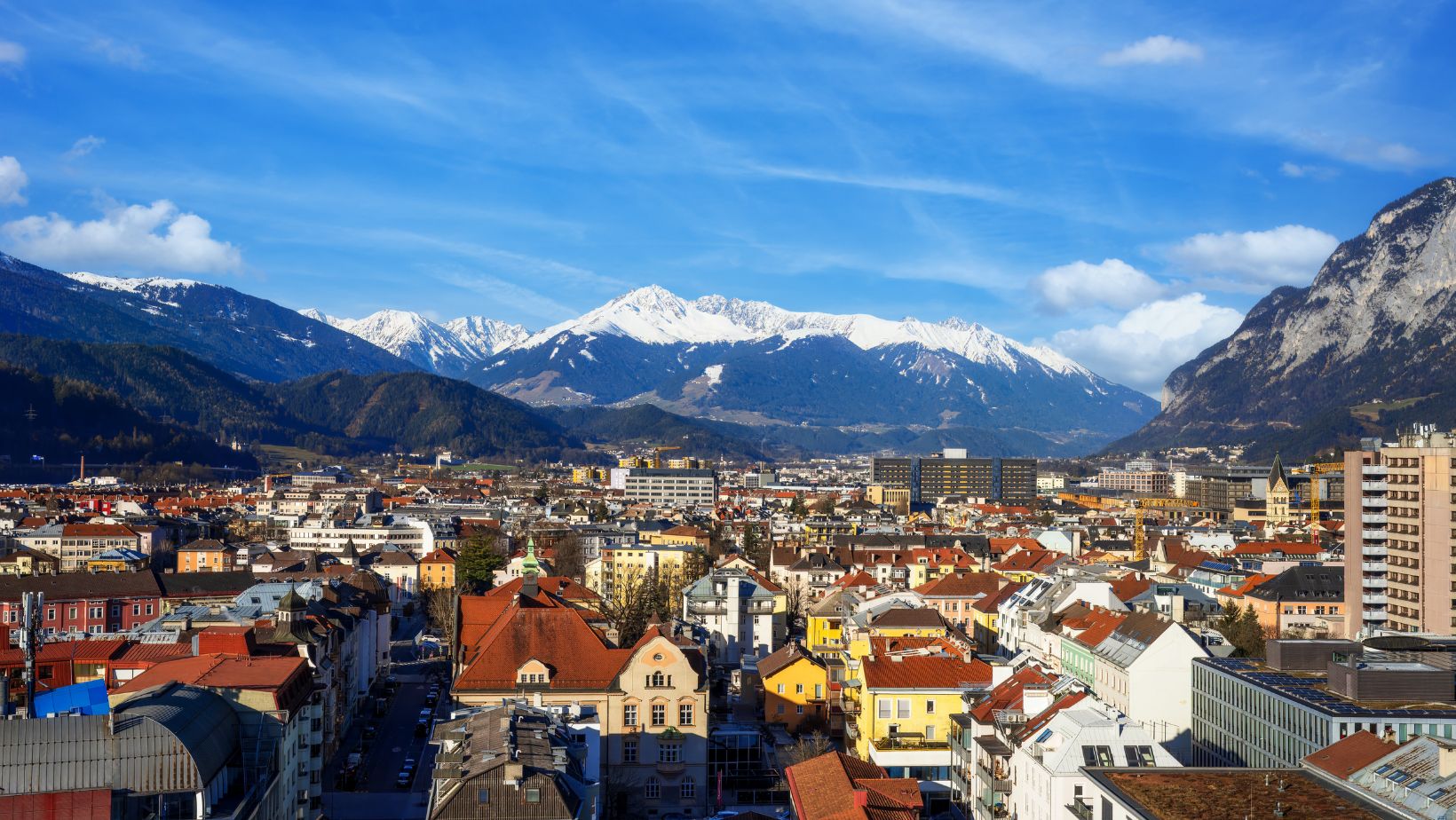
Austrian Tyrol is known for its hospitality and open-air markets embrace this atmosphere everywhere one goes. In Innsbruck, Kitzbühel, and St. Johann, open-air markets are positioned within town squares outside of painted buildings and next to the steeples of small churches. Selling alpine cheese and speck sausage along with hand woven textiles, roasted nuts and pastries fill the air as people meander through.
Tyrolean markets are also known for their craftsmanship. Wooden toys, nativity figures carved from local wood, even natural skin care products are made from herbs at high elevation. Many vendors even wear Trachten clothing, giving the experience an authentic feel. Thus, it’s not only about making purchases but finding a connection to history, place, and the earth’s rhythm of alpine existence.
Italian Dolomites Where a Feast for the Senses Awakens
In the Dolomites, traditional markets abound like Italian flavor meets alpine simplicity. Villages like Ortisei, Bolzano, and Bressanone boast weekly markets flush with local offerings. One can find cheese from the mountains, speck from South Tyrol, wildflower honey, and preserves from homemade jams. The stalls feature fresh fruits from the valleys below in addition to fresh produce apples, berries found in the forest.
The Italian influence gives the markets an enjoyable twist: warm smiles and generous samples are a sign of good will as cafés near the markets serve espresso and baked goods for a mid-morning snack break. Artisan wares include woolen socks made from alpaca wool, ceramics, and even leather goods. The dramatic backdrop of the Dolomites creates a sensory fête that evokes an appreciation for alpine tradition and Mediterranean warmth.
Bavarian Alps Rustic Simplicity and Farm Fresh Flavor
The Bavarian Alps are like a fairytale come to life. Cities like Garmisch-Partenkirchen and Berchtesgaden host weekly Bauernmärkte (farmers’ markets) throughout the summer in rustic settings among iconic wooden structures. Wooden stalls boast fresh dairy products, homemade jams, rye bread, and smoked sausages crafted from kitchen sinks in mountain huts.
What’s best about the Bavarian experience for its markets is that it’s quite celebratory. Locals don Lederhosen and Dirndls, sipping beer and munching on giant pretzels while live brass bands play energetic trumpets and tubas. Many markets even feature live demonstrations of cheese making or wood-carving endeavors with skills honed over generations. Thus, when shopping at these markets, it’s not just about the products it’s the experience, a happy encounter to behold with pure Bavarian culture!
Slovenian Alps The Little Known Markets with Biggest Character
Slovenia’s alpine villages don’t boast as many markets and they’re definitely less famous than others in the region but they’re some of the most authentic. Bled, Bohinj, and Kranjska Gora all boast stalls of mountain honey, herbal teas, cheese from local cows grazing in the pastures, handwoven linens, and the like. Personalization thrives here, as many vendors know everything about what they sell and offer their backstories and connections to the product to new customers.
Sustainability reigns supreme when focusing on organic farmers growing their goods and community events where locals come together to converse and share home-cooked meals over potluck-inspired feel goods instead of purchased ones. People move slowly, deliberate a stark juxtaposition to the slower pace of life in Slovenia’s Julian Alps and stepping foot inside one of these communities feels like stepping back in time to an era of craft and camaraderie.
Seasonal Markets The Change of the Seasons
In the Alps, markets reflect the seasons and not all have them year-round. During springtime, expect to find heaps of wild herbs, fresh cheeses, and early blooms. In summer, berries fill out various bins with mountain honey and artisan crafts for souvenirs. The fall celebrates the harvest pumpkins, mushrooms, apples, and chestnuts boast bright colors in the crisp air alongside heavier mountain comfort food to get everyone through winter’s frost.
Wintertime markets paint villages like picture postcards filled with fairy lights twinkling in snowy days scented like mulled wine and spicy cider. While the Christmas markets in Innsbruck or Salzburg feel overwhelmingly popularized, even smaller villages host comfier versions where residents sell handmade ornaments and delicious baked goods ideal for nibbling or giving as gifts. Seasonal markets allow for variation based on what’s growing at various times of the year to join people worldwide in celebration or participation not just someone who comes at any time!
It’s Not Just What You Buy but How You Feel.
When it comes to the alpine market, it’s not just what you purchase but how you feel. The vendors chuckle, the scent of freshly baked bread fills the air, and the ambience is welcoming as if you’ve become part of a centuries-old tradition. Take time to stop and chat, taste fresh honey, and sip herbal tea made from mountain-sourced ingredients.
Live music, cooking shows or local folklore generally accompany the experience. So, grab a seat upon a bench with your triangular slice of cheese, cherries still lingering on your fingers, and a taste of cake lingering on your lips as the town slowly but surely unfurls as it comes alive. This is where the magic truly lies in the ambiance, connection with others, and proximity to the beautiful mountains to watch the day unfurl in your own little corner of the world.
How to Prepare for Your Market Experience in the Alps
Even if you plan to enjoy the markets in real time, you’ll want to prepare your market days for the best experience. They’re held every other day of the week in many locations, generally lasting from morning until noon. Staying in smaller villages will ensure you find those markets that tourists overlook.
Many reliable scenic transfers connect to towns that host markets. Tours like Geneva to Chamonix, Zurich to Lucerne, and Innsbruck to Seefeld are common among travelers seeking easy access to markets hosted in picturesque areas.
Bring reusable bags and cash (not every vendor accepts credit cards) and arrive early for the best selections. Get to know some locals at the market who can provide insight on hidden trails to explore, local cafes worth visiting, or family farms that might be a few towns over. You can even pair your market day with a nearby lake for a picnic or a low-impact hike through wildflowers for a calming complement to an exhilarating experience.
Bring the Alps Home – Remind Me of My Trip!
One of the best parts about visiting traditional alpine markets is bringing a piece of the mountains back with you! Not run-of-the-mill tourist traps, items sold in the alpine markets are made with love, craft, and history. A wooden bowl carved in Tyrol, a jar of wildflower honey from Valais, and a lavender soap bar made in the Dolomites are just a few items that bring the scent of the mountains back home with you.
Many travelers choose cheese; a vacuum-packed Comté or Gruyère or Bergkäse will do the trick, allowing one to savor the flavors of the mountains long after the trip has ended. Herbal teas, dried mushrooms and even local schnapps are gifts with which one can bring to travelers who still enjoy the essence of mountain living. It keeps one linked to stories from the farmer who tended to the cows grazing on pristine pastures to the craftsman who carved both intricate designs and everyday tools to the beekeeper who spent the summer observing bees buzzing through fields teeming with flowers. Bringing them back keeps those stories alive as part of a tangible connection to the market experiences, proving that the Alps reside not just within the peaks but within the hands of the people who made such meaningful encounters possible.
Conclusion – The Alps Come Alive Through Traditional Markets!
The Alps come alive in so many ways, but none more than through traditional markets. Not only through flavors and scents but also voices and stories that emerge behind each basket and wheel of cheese reaffirms that these humble markets are the lifeblood of alpine culture and sustainability.
From bustling Swiss towns to quiet Austrian hamlets, taking a moment to wander through an alpine market transports travelers to another place and time, something ancient yet profoundly human. It’s the laughter of a farmer trying to haggle with his neighbor; it’s that mountaineer boasting about how much honey he harvested from last summer; it’s even the pungent smell of pine wafting past one’s nose on an unexpectedly warm summer morning. The spirit of the Alps comes alive in every stall and is waiting for people slow enough to stop and smell it all to discover it.