
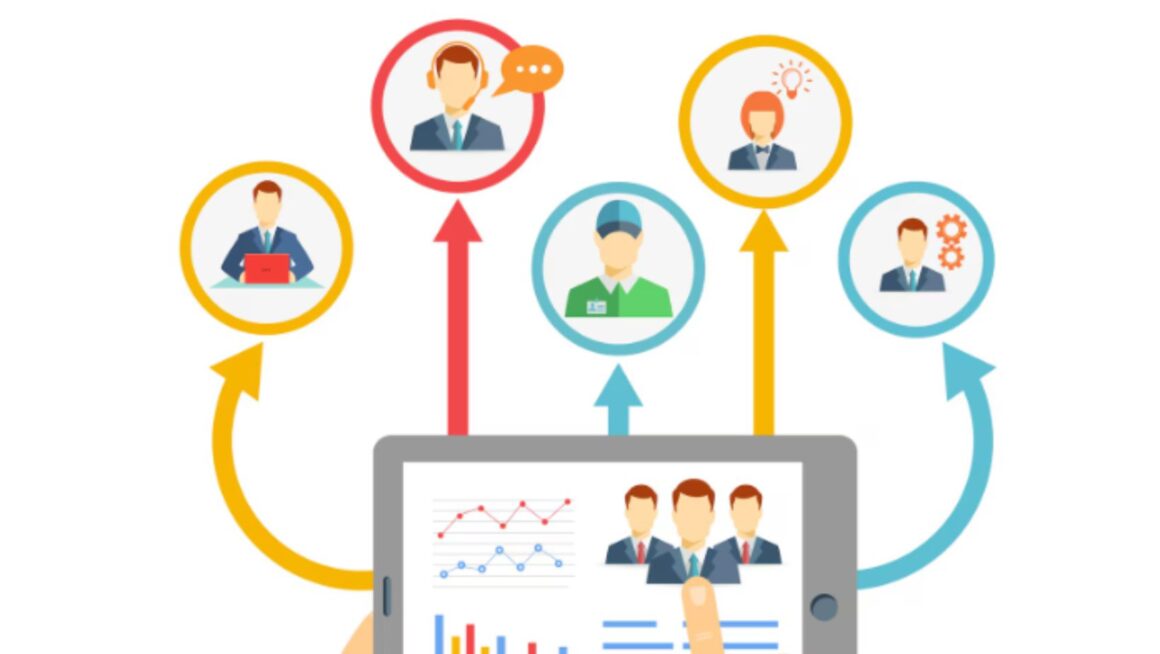
Automation is rapidly reshaping how organizations manage their people, processes, and performance.
Human resource management, once dominated by manual paperwork and repetitive administrative tasks, is now becoming faster, more accurate, and more strategic through automation.
As businesses face growing workforces, tighter compliance requirements, and higher employee expectations, automated HR solutions are no longer optional; they are essential.
By reducing manual effort and improving data reliability, automation allows HR teams to shift their focus from routine tasks to initiatives that directly support business growth and employee engagement.
Below are five key ways automation is transforming human resource management and redefining the role of HR in modern organizations.
1. Automating Core HR Administration
One of the most significant impacts of automation in HR is the transformation of core administrative tasks. Traditionally, HR teams spent countless hours managing employee records, updating personal information, processing forms, and maintaining compliance documentation.
These manual processes were not only time-consuming but also prone to errors and inconsistencies. Automation streamlines these activities by digitizing records and standardizing workflows across the organization.
With modern human resource management systems, employee data is automatically updated, securely stored, and instantly accessible to authorized users.
Changes such as role updates, compensation adjustments, or policy acknowledgements can trigger automated workflows, ensuring accuracy without repeated manual input.
This reduces administrative bottlenecks, minimizes errors, and allows HR professionals to dedicate their time to higher-value initiatives such as workforce planning and employee development.
2. Streamlining Recruitment and Onboarding Processes
Hiring and onboarding are critical stages in the employee lifecycle, yet they are often slowed down by manual coordination, paperwork, and inconsistent communication.
Automation has transformed recruitment by simplifying candidate tracking, communication, and approvals. Automated systems can organize applications, schedule interviews, and send updates to candidates without constant HR intervention.
Once a candidate is hired, onboarding automation ensures a smooth transition into the organization. New hires can complete forms digitally, review policies, and receive onboarding materials before their first day. Automated onboarding workflows also ensure that IT access, payroll setup, and benefits enrollment are completed on time.
By leveraging advanced hcm software, organizations reduce time-to-hire, create consistent onboarding experiences, and help new employees become productive more quickly.
3. Improving Time Tracking and Payroll Accuracy
Accurate time tracking and payroll processing are essential for maintaining employee trust and ensuring compliance with labor regulations.
Manual timekeeping methods, such as paper timesheets or disconnected tools, often lead to errors, disputes, and delayed payroll cycles. Automation addresses these challenges by integrating time tracking directly with HR and payroll systems.
With automated time and attendance software, employees can log hours, request time off, and view schedules digitally, while managers gain real-time visibility into attendance and labor usage. Automated calculations reduce the risk of payroll errors related to overtime, leave balances, or shift differentials.
This not only improves operational efficiency but also ensures employees are paid correctly and on time. Over the long term, accurate time data helps organizations control labor costs and make informed staffing decisions.
4. Enabling Data-Driven HR Decision-Making

Automation plays a crucial role in transforming HR from a reactive function into a data-driven strategic partner. Automated HR systems collect and organize vast amounts of workforce data, from turnover rates and absenteeism to performance metrics and labor costs.
Instead of manually compiling reports, HR leaders can access real-time dashboards and analytics that provide clear insights into workforce trends. This enables organizations to identify issues early, such as rising turnover in specific departments or excessive overtime costs.
Data-driven insights also support long-term planning, including talent development, succession planning, and budgeting.
Automated reporting ensures consistency and accuracy, allowing leadership to make confident decisions based on reliable information rather than assumptions or outdated data.
5. Enhancing Employee Experience Through Self-Service
Employee experience has become a key priority for organizations seeking to attract and retain talent. Automation significantly improves this experience by empowering employees with self-service tools.
Instead of relying on HR for routine requests, employees can update personal information, access pay statements, submit time-off requests, and review company policies on their own.
Automated notifications keep employees informed about approvals, upcoming deadlines, or important updates without manual follow-ups. This level of transparency and accessibility builds trust and reduces frustration.
When employees can easily manage their own HR-related tasks, HR teams spend less time responding to basic inquiries and more time supporting engagement, performance, and culture.
Over time, improved employee experience leads to higher productivity, stronger retention, and a more positive workplace environment.
The Broader Impact of Automation on HR Strategy
Beyond individual processes, automation is reshaping the overall role of HR within organizations. By reducing administrative workload, automated systems enable HR teams to become strategic advisors rather than operational support functions.
HR professionals can focus on initiatives such as leadership development, diversity and inclusion, workforce optimization, and organizational culture. Automation also supports consistency across departments and locations, ensuring that policies and processes are applied fairly and uniformly.
As organizations scale, automated HR systems provide the flexibility needed to manage growth without increasing administrative complexity. This strategic shift positions HR as a key contributor to long-term business success rather than a cost center.
Addressing Compliance and Risk Through Automation
Compliance is another area where automation delivers significant value. Labor laws, data privacy regulations, and internal policies are constantly evolving, making manual compliance management increasingly risky.
Automated HR systems embed compliance into everyday workflows through alerts, approvals, and audit trails. This reduces the likelihood of missed deadlines, incomplete documentation, or regulatory violations. Automated recordkeeping also simplifies audits and reporting, saving time and reducing stress for HR teams.
By proactively managing compliance, organizations protect themselves from legal and financial risks while maintaining trust with employees and stakeholders.
Preparing HR for the Future of Work
The future of work will continue to be shaped by technology, flexibility, and changing workforce expectations. Automation provides a foundation that allows HR teams to adapt quickly to new challenges, whether that means supporting remote work, managing hybrid schedules, or responding to economic uncertainty.
Automated systems can be updated and scaled as needs evolve, ensuring HR infrastructure remains aligned with business goals. Organizations that invest in automation today are better positioned to respond to future disruptions while maintaining efficiency and consistency across their HR operations.
Final Thoughts
Automation is fundamentally transforming human resource management by reducing manual effort, improving accuracy, and enabling smarter decision-making. From administrative tasks and recruitment to time tracking and employee experience, automated HR systems create efficiencies that benefit both HR teams and employees.
More importantly, automation allows HR to evolve into a strategic function that supports growth, engagement, and long-term resilience. As workplace complexity continues to increase, organizations that embrace HR automation will be better equipped to build agile, efficient, and people-centered workplaces for the future.